



Regional Intelligence
Denmark
A deep bench of foundation-owned and family-controlled industrial wealth, from Maersk to Lego, supported by a transparent, well-supervised financial system and a tax regime in active reform.
Family offices
Not separately reported
Avg AUM
Not separately reported
Regulatory body
Finanstilsynet (Danish Financial Supervisory Authority)
Tax environment
22% corporate tax (proposed to fall to 19% over three years); no standalone wealth tax, with reintroduction debated in 2026.
Introduction
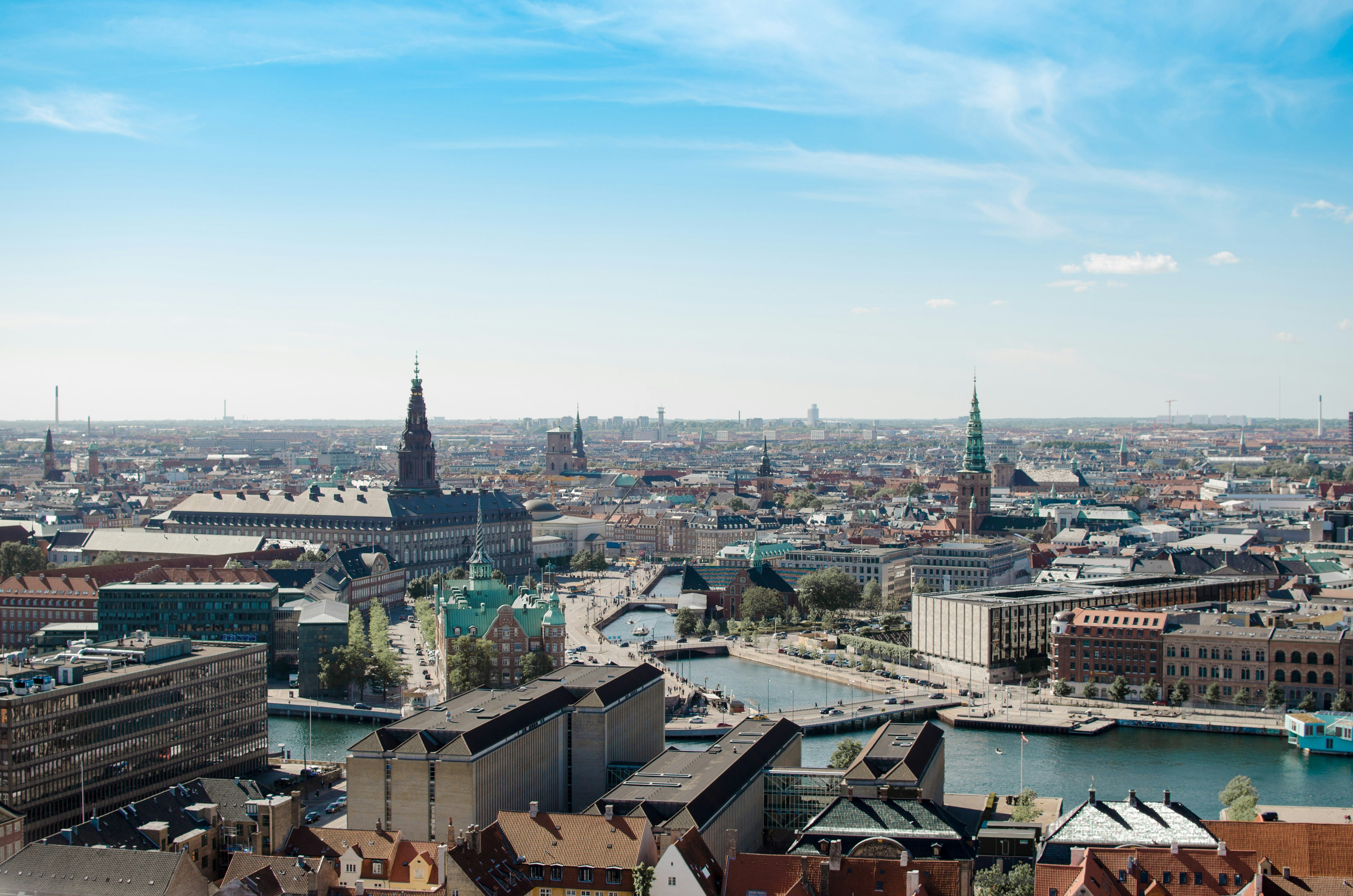
Denmark pairs some of Europe's most durable family-controlled enterprises with an unusually institutional approach to wealth. Foundation ownership, long-term holding structures and a trusted, digital-first financial system mean Copenhagen families tend to run capital through governed vehicles rather than informal family offices.
Key Numbers
Corporate tax rate (current)22%
Proposed corporate tax rate19%
Standalone wealth taxNone
Evaluation
Denmark has no standalone wealth tax today, but the question is politically live: the 2026 election campaign featured a proposed 5% annual wealth tax. The June 2026 reform plans a phased cut in corporate tax from 22% to 19% and a redesigned principal-shareholder model intended to keep the overall burden on owner-managers close to the top personal rate. Families should model both outcomes and confirm timing with Danish advisers.
Resources Directory
Key Highlights
Foundation-owned enterprises
Commercial foundations and holding companies keep control of major Danish groups stable across generations.
Maritime and industrial heritage
Maersk-linked capital and other industrial fortunes anchor Copenhagen's private-capital community.
Tax reform under way
A June 2026 reform proposes a lower corporate rate and a new principal-shareholder model.
Strong multi-family layer
Firms such as Formue serve families across Denmark, Norway and Sweden.
Companies in this region



Frequently Asked Questions
Explore other regions
Europe
Iceland
The Nordics' smallest market, with no wealth tax, a 20% corporate rate and a financial supervisor housed within the cent...
Europe
Finland
A compact, industrial-heritage family office market with no wealth tax and a corporate tax rate set to fall to 18% in 20...
Europe
Sweden
The Nordics' largest family office market, centred on Stockholm and the Wallenberg sphere, with no wealth tax and a deep...
Europe
Norway
Maritime, energy and seafood fortunes managed out of Oslo under one of the Nordics' few active wealth taxes, now under r...