



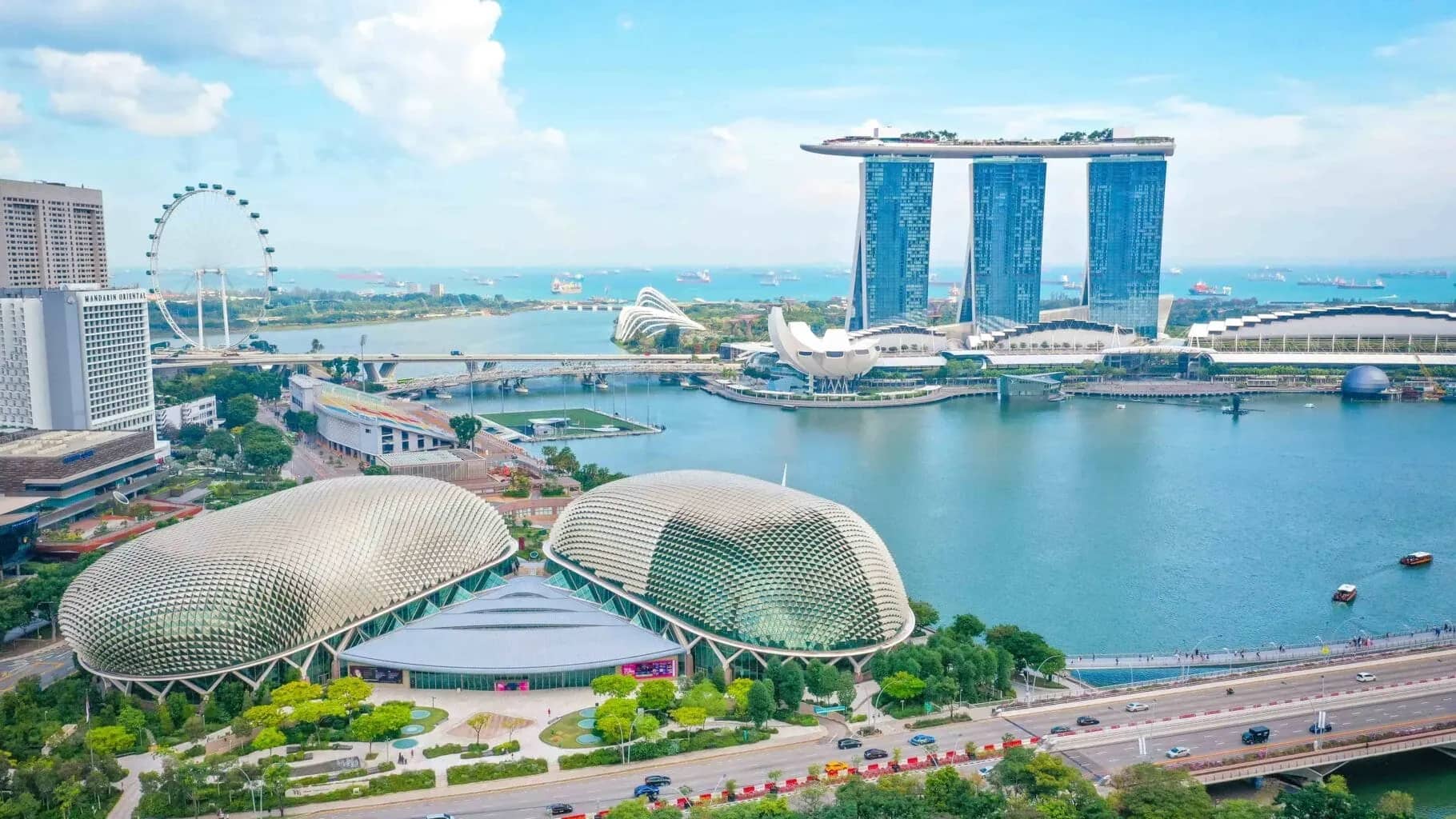
Asia has witnessed an unprecedented surge in wealth creation over the past few decades. According to a 2023 report by Credit Suisse, the number of millionaires in Asia is expected to surpass those in the United States by 2025. This burgeoning wealth is largely driven by economic growth, technological innovation, and entrepreneurial success in countries like China, India, and Singapore.
From my experience, family offices in Asia tend to focus more on wealth creation and high-growth investments due to the relatively recent accumulation of wealth. In contrast, in the US and Europe, family offices emphasise wealth preservation, diversification, sustainability, and reflecting a long history of family wealth.
Key Drivers of Family Office Growth in Asia
Generational Wealth Transfer
One of the primary drivers of the rise of family offices in Asia is the impending generational wealth transfer. As the first generation of wealth creators in Asia ages, there is a pressing need for structured and strategic wealth transfer to the next generation.
As a Southeast Asian born and bred, I comprehend that intergenerational wealth transfer can be a sensitive subject in the Asian context. It is crucial to understand and re-evaluate our strategies for impending intergenerational wealth transfer in Asia.
Complex Financial Needs That Lead To Technological Advancements
Family offices in Asia often have complex financial needs that go beyond the capabilities of traditional wealth management services. The digital transformation of family offices in Asia is reshaping the wealth management landscape, enabling these entities to operate more efficiently and provide enhanced services.
I notice that family offices diversify into global markets and alternative investments, the need for sophisticated tools to manage these complexities has grown – integration of fintech solutions, such as robo-advisors, blockchain for secure transactions, and AI for investment analytics for instance.
Privacy and Control
Family offices offer a high level of privacy and control, particularly appealing to wealthy families in Asia. By managing their wealth through a family office, families can maintain confidentiality and have greater control over their financial affairs.
Some of the privacy and control considerations I have encountered on the ground include but not limited to reputation management – high-profile families prioritise privacy to protect their reputation and avoid unwanted public attention or scrutiny, family governance – establishing clear structures like family councils and advisory boards, operating models – choosing the appropriate family office mode (single family office, multi family office and digital family office) and technology integration – utilising digital platforms and tools to enhance transparency, monitor investment and manage family office operations while maintaining control.
Philanthropy and Impact Investing
I find there is a growing interest among Asian UHNWIs in philanthropy and impact investing. Family offices facilitate these activities by providing strategic advice and management services, helping families to align their investments with their values and make a positive impact on society.
However, family offices in Asia are still developing compared to the West. Family offices in the US and Europe have a strong tradition of philanthropy, with many family offices actively involved in charitable activities and social enterprises. I think there are many opportunities as financial management is becoming more decentralised within the family offices, resulting in a gradual increase in focus on sustainable investing.
Regional Competition
The regulatory environment in many Asian countries is becoming increasingly supportive of family offices. Governments recognise the economic benefits of family offices and implement policies to attract and retain them. For instance, Singapore and Hong Kong have established themselves as leading hubs for family offices by offering favourable regulatory frameworks and tax incentives.
From my perspective, Hong Kong provides unparalleled access to Chinese markets and a robust financial ecosystem, while Singapore offers a stable regulatory environment, global connectivity, and a high standard of living. Challenges in Hong Kong include uncertainty about political developments and unrest, which have raised concerns about long-term stability. While regulations are clear in Singapore, intense competition from other global financial centres can drive up operational costs. The choice between the two will depend on the family office’s specific needs and preferences, including its geographical focus, risk appetite, and lifestyle considerations.
On the other hand, the number of family offices in India is expected to grow significantly as wealth continues to increase and the need for professional management services becomes more apparent. In spite of that, navigating India’s regulatory environment can be complex, requiring a thorough understanding of local laws and compliance requirements.
The Future of Family Offices in Asia
The rise of family offices in Asia marks a significant shift in the wealth management industry. I think the future of family offices in Asia is bright, driven by a positive outlook, intergenerational wealth transfers, and geographical diversification.
I foresee that key financial hubs like Singapore and Hong Kong will continue to play a pivotal role while emerging markets like China and India will see rapid growth in family office establishments. Asia offers compelling investment opportunities across diverse real estate, infrastructure, and technology sectors. Family offices can leverage this vibrant market for significant growth.
Nevertheless, family offices need to adapt to evolving regulatory landscapes and embrace digital transformation. These include enhancing operational efficiency and adapting to market trends, undoubtedly opening up new investment opportunities and positioning themselves for sustained growth and success in the evolving financial landscape.