



What we’ve learned from bringing family offices together
Over the past year, Simple has brought together more than 200 family office participants through workshops, breakfasts, private dinners and larger gatherings around the world.
It's made us think about what actually makes these occasions worth attending.
Family offices already have extensive networks, trusted advisers and no shortage of invitations. So why travel to another city, spend an afternoon in a workshop or sit down for dinner with people you've never met?
The events industry is certainly betting on people continuing to meet. The leaders in AI are proving the point themselves with OpenAI, Anthropic and many other AI companies are hiring Head of Events and investing in hosted gatherings for a reason.
It is identified that 49% of respondents identified meeting new people and bonding with colleagues as their main reason for attending work events in 2026, while 70% of event professionals considered face-to-face relationship-building the hardest outcome to replicate.
But simply bringing people into a room isn't enough. After a year of experimenting with different formats, a few things have stood out.
The best speaker isn’t always on stage
At a Jeffersonian-style lunch we co-hosted in Copenhagen, around 50 family office participants joined moderated discussions at smaller tables.
Avoiding no lengthy presentations, instead, everyone had an opportunity to ask questions and share their experiences.
A family office might spend months researching a technology provider, investment strategy or operational change. Yet a conversation with another family that's already been through it can reveal things that won't appear in a report.
What went wrong? What would they do differently? What did they underestimate?
Often, it's the practical details that matter. How long something actually took, what it cost and whether the results justified the effort.
But these conversations need the right setting. People have to feel comfortable enough to speak openly, especially about what hasn't worked.
Sometimes the most useful person in the room isn't the one holding the microphone.
Formatting frenzy
We've experimented with different approaches to family office events throughout the year.
In Copenhagen, smaller roundtables encouraged families to learn directly from one another. In London, our workshop with Capital Generation Partners explored practical questions around AI adoption and technology.
Each format serves a different purpose.
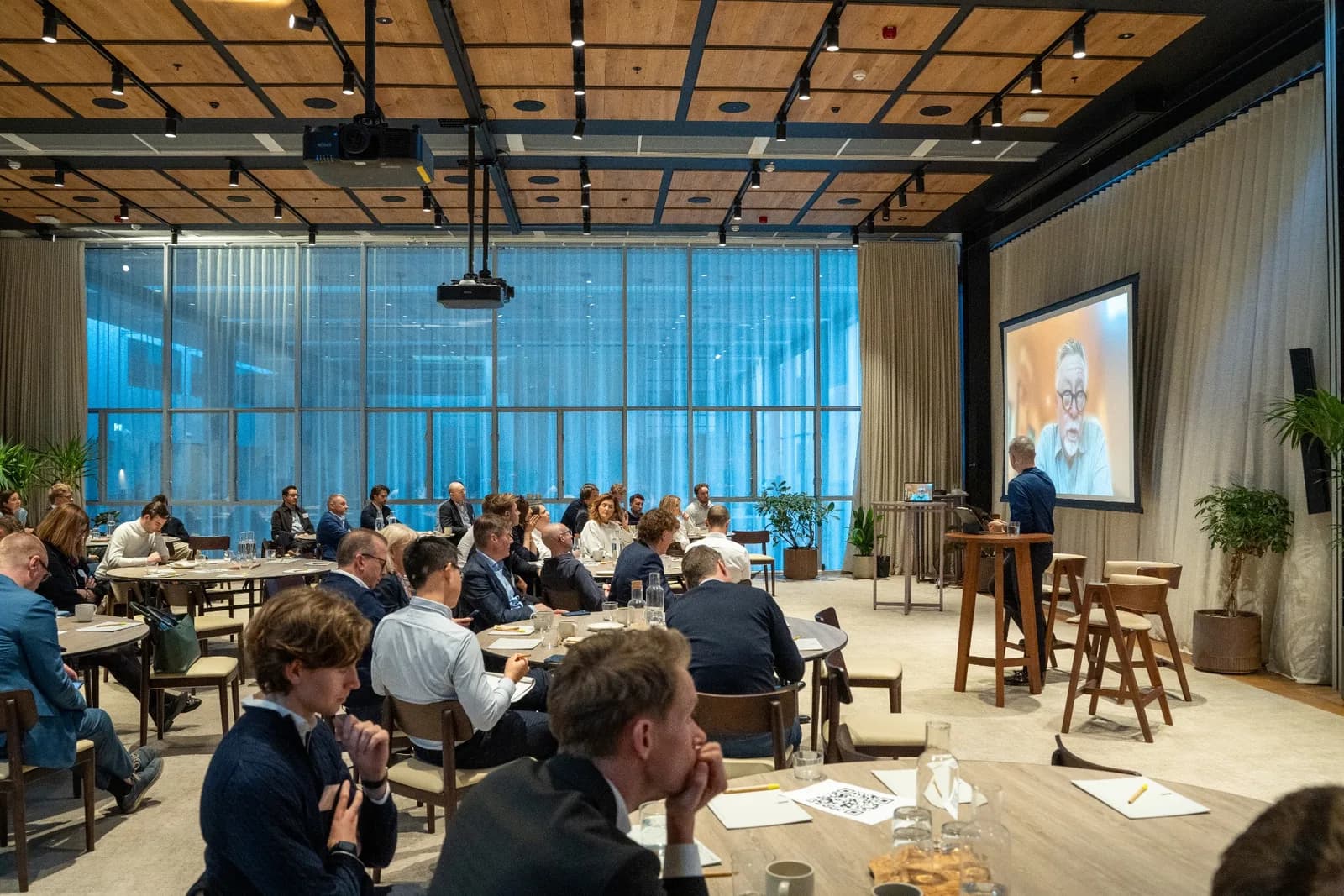
Copenhagen, 2026. Around 100 family office participants joined our annual gathering.
A workshop gives people time to work through specific challenges. A dinner allows for more personal conversations. Larger gatherings introduce people to ideas and relationships outside their usual circles.
And the wider events industry is seeing a change in how people spend their time. Showcased by there being a 69% increase in meeting participation at smaller events, while average session attendance per person fell from 5.3 to 4.2 between spring 2025 and spring 2026.
People appear increasingly interested in conversations, not simply sitting through another presentation.
Sometimes six families facing the same problem will get more from an afternoon together than 100 people attending a conference.
Of course, there's always an element of luck in who meets whom. But good organisers can create more opportunities for those encounters to happen.
That is where the real magic happens!
What changes when information is everywhere?
AI is making it easier to research and understand almost anything. We can compare investment strategies, analyse technology providers and access expertise faster than ever before.
But knowing what options are available isn't the same as understanding how someone made a decision.
Why did one family office build its own technology while another bought an existing platform? What influenced the choice? What would they change next time?
Sometimes hearing why another family took a completely different approach is precisely what makes a conversation worthwhile.
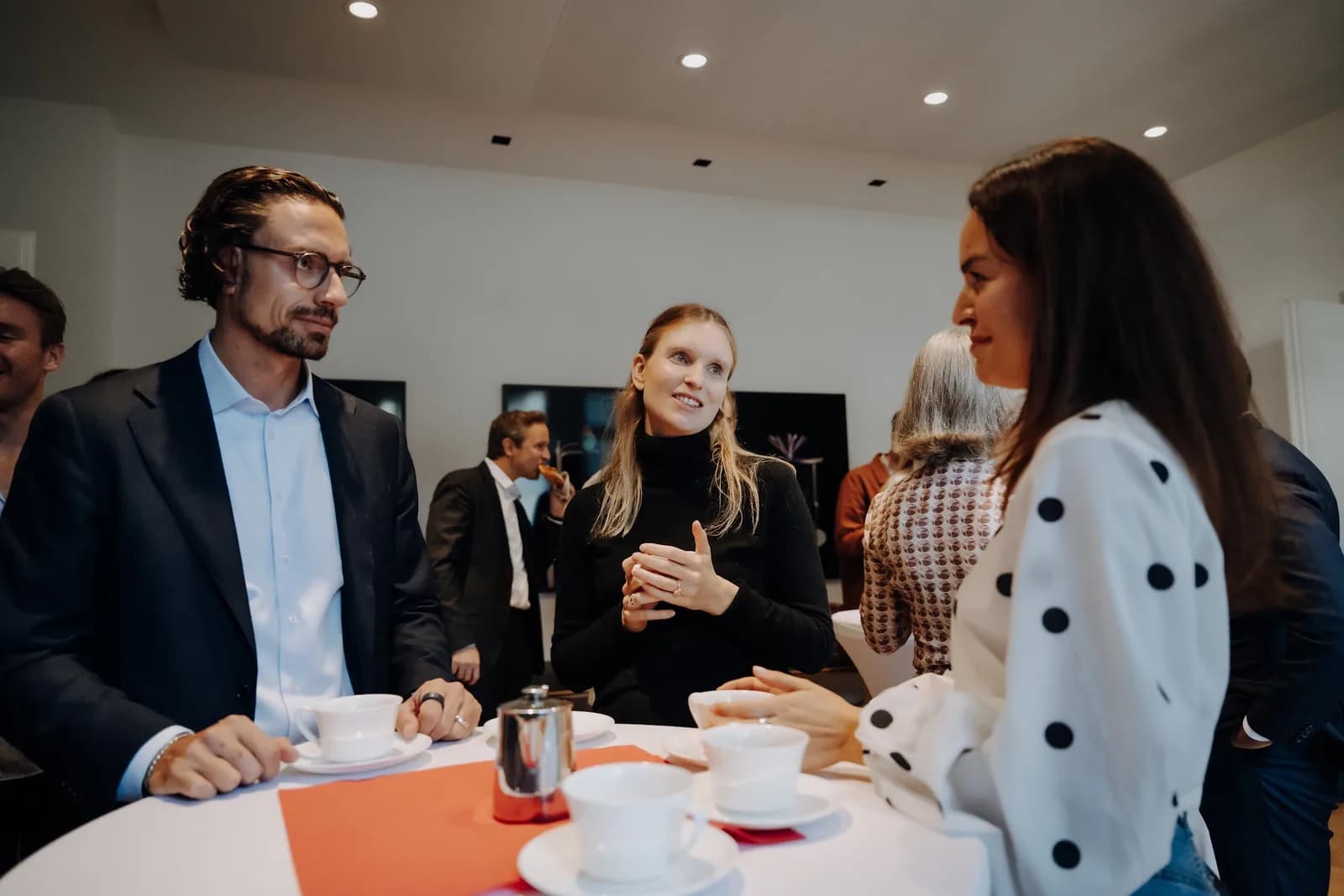
Munich, 2026. Around 40 family office participants joined an intimate breakfast event.
AI is also influencing which events people choose to attend. According to Freeman's research, 53% of attendees who have used AI to discover events say it changed which ones they considered worth their time.
For organisers, AI can help identify shared interests, prepare better discussions and make follow-up easier.
But identifying a possible connection isn't the same as knowing whether an introduction is worthwhile. That still requires judgement and an understanding of the people involved.
As information becomes easier to access, perhaps we'll become more selective about the occasions that bring us together.
The aftermath
A fun conversation at an event is a starting point. Anyone who attends enough events knows the feeling. You get home with interesting conversations, new contacts and a follow-up list that somehow keeps growing.
Hopefully AI agents will take some of that work off our hands.
But for family offices, where relationships can develop over years, another automated email isn't the answer.
It's remembering what someone was interested in, making an introduction when there's a good reason to, or reconnecting when you come across something relevant to their work.
The concierge effect at play.
Sometimes that leads to business, a useful exchange of experience or other relationships only become valuable much later.
There's a growing recognition that event success should be measured beyond attendance. In its 2026 Meetings Outlook, it is highlighted that 76% of respondents considered measuring the human impact of events very or extremely important.
That's harder to capture than registrations or attendance figures, but it's worth paying attention to when planning engagements of the future.
For organisers, the work doesn't end when everyone leaves. It continues through the introductions, follow-ups and conversations that happen afterwards to compound overtime with trust and actionable outputs as a result.
2027 and beyond
As we plan next year's family office gatherings, we're thinking carefully about which formats deserve more attention, who we bring together and how to help conversations continue.
Not every gathering needs to be bigger than the last and not every conversation needs a commercial outcome.
But people should leave having gained something they couldn't have found quite so easily elsewhere. That's worth remembering, whether you're organising an event or deciding which invitation to accept.
Join us at an upcoming event: Explore our upcoming events