



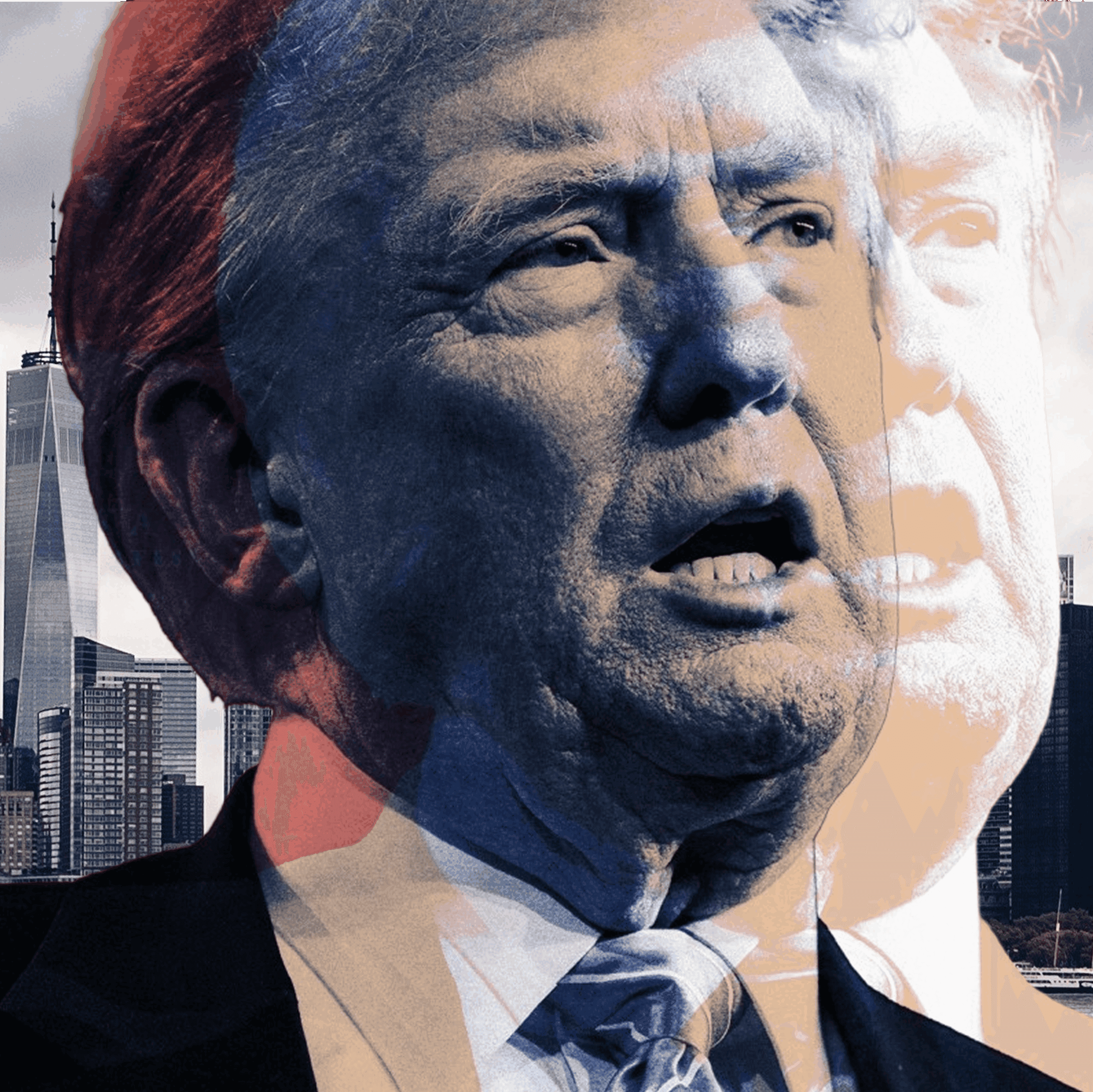
Early foundations: Real estate as the core asset
Donald Trump inherited both an appetite for property and a functioning business structure from his father, Fred Trump, who developed affordable housing in New York’s boroughs. In the 1970s and 1980s, Trump repositioned the family enterprise toward high-profile Manhattan towers, luxury hotels, and casinos, creating a portfolio that became both an asset base and a marketing engine.
Unlike many family offices that evolve after a liquidity event, the Trump Organization has always been both an operating business and the custodian of family wealth. Its holdings, from commercial real estate to golf courses, provided recurring income while cementing a global brand identity, a foundation that later enabled licensing and media ventures.
The Trump Organization as family office
Though structured as a private operating company, the Trump Organization has long functioned as a de facto family office. It consolidates real estate, licensing, and investment activity under one umbrella, with family members embedded in leadership roles. This hybrid structure blurs distinctions between commercial enterprise and wealth management vehicle.
Where traditional family offices emphasise portfolio diversification and governance separation, the Trump model concentrates risk in property markets and brand equity. Its distinctive feature is the monetisation of the Trump name through licensing deals, a form of intellectual property management more common to celebrity family offices than to real estate dynasties.
International dealings
The Trump Organization has also pursued international expansion, particularly in the 2000s and 2010s. The acquisition of golf resorts in Scotland, including Aberdeen and Turnberry, placed the family name at the centre of local political debates over planning permissions and environmental impact. In Ireland, the Doonbeg resort became another touchpoint for negotiations with regulators and local communities.
Beyond direct ownership, licensing agreements extended the brand globally. Trump Towers rose in Istanbul, Pune, and Mumbai through partnerships with local developers. In Manila, a licensing deal with a local conglomerate produced Trump Tower Manila, one of the city’s tallest residential buildings. The Panama tower project, once seen as a flagship venture, eventually unravelled amid disputes with local partners.
For family offices, these international dealings illustrate both opportunity and hazard. Cross-border ventures can diversify revenue, but they also require robust due diligence, careful structuring for tax efficiency, and proactive management of reputational risks tied to foreign partnerships. Trump’s experience shows how political, cultural, and regulatory dynamics abroad can complicate what appear to be straightforward diversification plays.
Digital assets and new ventures
In recent years, the Trump brand has moved into digital assets. The launch of Trump-branded NFTs — digital trading cards featuring stylised images of the former president — represents a new form of brand monetisation. Released in multiple editions, the collections quickly sold out, generating millions in primary sales and further income through secondary-market royalties. While dismissed by some as a novelty, they demonstrated how a family-controlled enterprise can use blockchain technology to monetise brand loyalty in real time.
The NFTs also highlight the volatility of such ventures. Prices surged initially, then dropped sharply, illustrating both the promise and the fragility of digital asset markets. Still, they opened a window into what might be called “digital brand wealth management,” where intellectual property is packaged as a tradeable, blockchain-secured product.
For family offices, this example highlights the broader question of whether digital assets are speculative experiments or a serious diversification tool. The Trump NFTs underscore both the accessibility and the reputational risks of venturing into emerging markets like crypto. They also foreshadow how future family offices might leverage Web3 infrastructure to monetise art, media, or personal branding.
Succession and governance
The Trump family has adopted a hands-on approach to succession. Donald Jr., Ivanka, and Eric Trump all took operational roles in the Trump Organization, managing projects and appearing as public brand representatives. This kept the enterprise closely tied to family identity, but it also revealed the absence of formal governance mechanisms typical of modern family offices, such as independent boards or family councils.
Decision-making remained centralised, with Donald Trump himself exercising primary control. The arrangement underscores both the strength of familial engagement and the risks of conflating family loyalty with professional governance structures. In contrast, many institutionalised family offices seek to balance generational involvement with external expertise, ensuring checks and balances in wealth stewardship.
Risk, reputation, and resilience
Few family offices in the public eye illustrate reputational risk as starkly as the Trump Organization. The business has endured multiple bankruptcies, lawsuits, and regulatory investigations, alongside the unique overlay of Donald Trump’s political career.
The Trump brand, an asset that generates licensing income and premium recognition, simultaneously represents a liability, with valuation sensitive to shifts in public perception. Trump’s status as one of the most controversial figures in world news amplifies this dynamic. Supporters view the brand as a symbol of loyalty and success, while detractors associate it with polarisation and litigation.
This controversy has practical implications for wealth management. Partnerships have sometimes been pursued enthusiastically by firms seeking visibility, yet others have distanced themselves for reputational reasons. Financing terms, regulatory scrutiny, and market valuations have all been influenced by political developments and public perception.
For family offices, this highlights the importance of resilience planning: crisis management frameworks, diversification away from single-sector dependence, and clear separation of personal, political, and business activities. Trump’s case demonstrates how visibility magnifies both opportunity and vulnerability.
The global profile factor
The Trump Organization is unlike any other family office in one respect: its patriarch is one of the most recognised – and polarising – figures in the world. Donald Trump’s visibility as a businessman, media personality, and political leader has elevated the brand to a level of global recognition few families could match.
This prominence brings a dual effect. On one hand, it amplifies the brand’s reach, creating loyalty-driven demand for properties, licensing deals, and even digital assets. On the other, it exposes the enterprise to heightened scrutiny, regulatory oversight, and reputational volatility. Elections, legal proceedings, and shifts in public opinion have immediate implications for valuations and partnerships.
For family offices, the Trump case underscores how external events, from politics to global media cycles, can shape wealth far beyond traditional market forces.
Comparative lens
Compared to peers, the Trump family’s model is unconventional. Michael Bloomberg separates his private wealth management at Willett Advisors from his corporate identity at Bloomberg LP. Mukesh Ambani runs succession planning through Reliance Industries while establishing a distinct family office for diversification. Bernard Arnault carefully integrates governance at LVMH with family succession planning.
By contrast, the Trump Organization continues to conflate a corporate entity with a wealth management vehicle. The advantage is simplicity and strong family cohesion; the drawback is vulnerability to concentrated risks in real estate, brand volatility, political entanglements, and litigation exposure.
Key takeaways for family offices
- Brand as an Asset: The Trump case demonstrates how a family name can be leveraged as intellectual property, but also how reputational shifts can directly affect wealth.
- Global Expansion: International ventures highlight the opportunities and risks of cross-border exposure, including regulatory and political friction.
- Digital Assets: Experimentation with NFTs illustrates both the appeal and the reputational hazards of frontier markets.
- Succession Planning: Involving children in the operating company ensures continuity but can complicate governance when professional oversight is limited.
- Reputation Management: Public visibility demands sophisticated crisis planning to protect long-term capital.
- Diversification: Over-reliance on a single sector leaves family wealth exposed to cyclical downturns.
The final word
The Trump Organization shows how family wealth can be structured, expanded, and challenged when operating company, family office, and brand identity become inseparable. For other family offices, the case highlights both the power and the pitfalls of building an empire on name recognition, concentrated assets, and high-profile visibility.